How to Furnish a Child's Room to Balance Sleeping, Play, and Study Areas A child's room is far more than just a place for a bed, a wardrobe, and a desk. It is a child's personal world—a space where they rest, play, learn, use their imagination, keep their little secrets, and gradually grow more independent. That is why furnishing a child's room requires a special approach. It is not enough to simply arrange the necessary furniture; the goal is to create a harmonious space where every item serves a purpose and the child feels comfortable spending time. How should you organize the sleeping, play, and study zones? What furniture works best for a small room? How can you combine functionality, aesthetics, and comfort? At SOFI Dreamland, we view the child's room as an integrated system where design, ergonomics, and functionality work together. 1. Start with the child's needs, not the furniture Before planning the furniture layout, consider how the child will use the room. For a toddler, what matters is having toys within reach, a cozy spot to rest, and the ability to access necessary items independently. A preschooler needs space for active play and creative activities, as well as storage for art supplies and materials. A school-aged child requires a comfortable workspace, organized storage, and a sense of personal space. Take into account: - the child's age and daily habits; - the number of children sharing the room; - the size of the room and the placement of windows and doors; - the need for a workspace, a play area, and storage space; - the flexibility to modify the layout as the child grows. A well-thought-out layout helps avoid a situation where the room is packed with furniture but leaves no space for actual living. 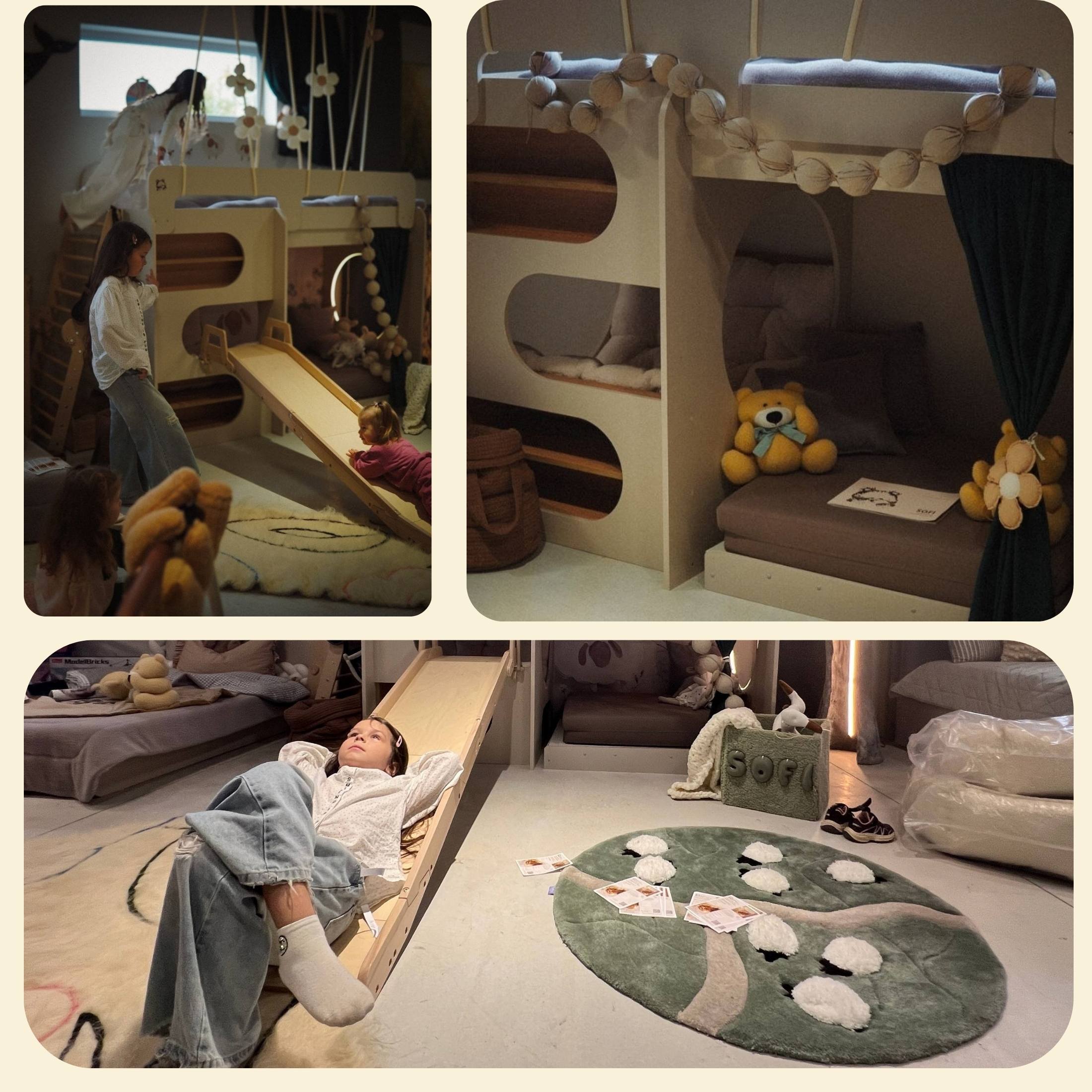 2. Zoning the children's room: sleeping, playing, studying, and storage Even a small children's room can be made functional with the right spatial organization. You don't necessarily need to install partitions or divide the room into separate sections. Often, a strategic arrangement of furniture, lighting, textiles, and color accents is enough. Sleeping area — a place for rest and recovery The bed should be comfortable, suited to the child's age and needs, and correctly positioned relative to windows, doors, and walkways. In a room with limited space, consider a bed with additional features: built-in shelves, drawers, a pull-out trundle bed, or clever storage niches. For a child's room, what matters isn't just the bed's appearance, but also its safety, stability, ease of access, and age-appropriateness. Play area — a space for imagination A child needs a place to build, draw, play with toys, and invent their own stories. To preserve this space, avoid covering the entire floor with fixed furniture. Utilize vertical space, compact storage systems, and multifunctional furniture designs. A small play corner featuring a soft rug, open shelving, and the child's favorite items can become a complete personal world for them. Study Area: Comfort for Concentration For a school-aged child, it is important to provide a workspace with adequate lighting, a comfortable desk surface, and room for books and school supplies. Whenever possible, position the desk near a source of natural light, taking into account the direction of the light and whether the child is left- or right-handed. In a small room, compact desks, shelves mounted above the workspace, and multifunctional furniture can help save space without making the room feel cluttered. Storage Area: Organization Accessible to the Child Cabinets, shelves, drawers, and niches should be not only spacious but also convenient for daily use. It is best to place some items at a height the child can easily reach. This helps foster independence and encourages tidy habits over time. Closed cabinets help hide items that create visual clutter, while open shelves are ideal for displaying books, decor, and favorite toys.
3. How to Furnish a Small Child's Room While Preserving Open Space Limited square footage doesn't mean a child has to forgo a play area, a comfortable bed, or a dedicated study space. The key is to use the space efficiently and avoid duplicating functions. Here are a few solutions worth considering: - **Utilize the room's height.** Tall storage systems and multifunctional units help organize the space more efficiently. - **Choose furniture with added functionality.** A bed with built-in compartments, shelves, or a pull-out trundle can serve multiple purposes. - **Keep walkways clear.** Ensure there is enough space to move between furniture items, and make sure doors and drawers can open without obstruction. - **Avoid over-decorating.** A few statement pieces often work better than a large number of small items. - **Plan storage by category.** Having designated spots for clothes, books, toys, and art supplies makes daily organization easier.
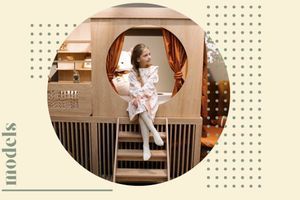
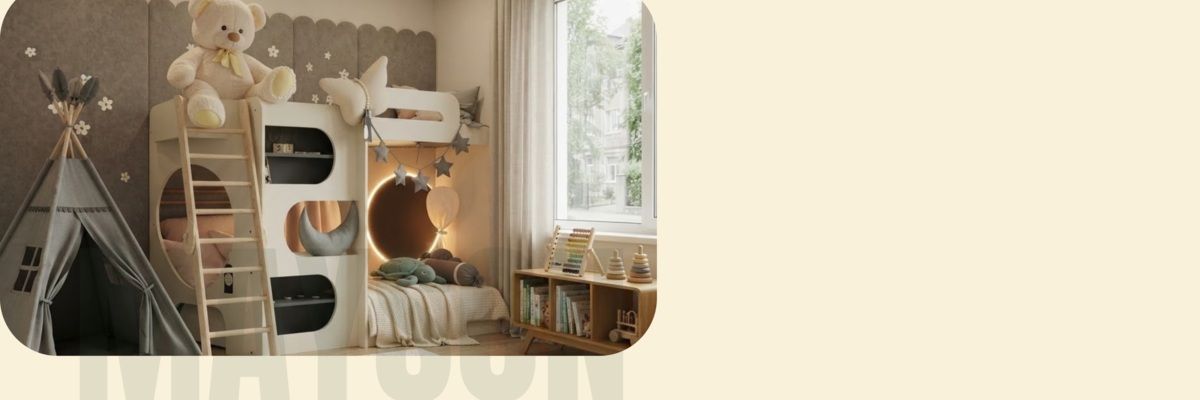
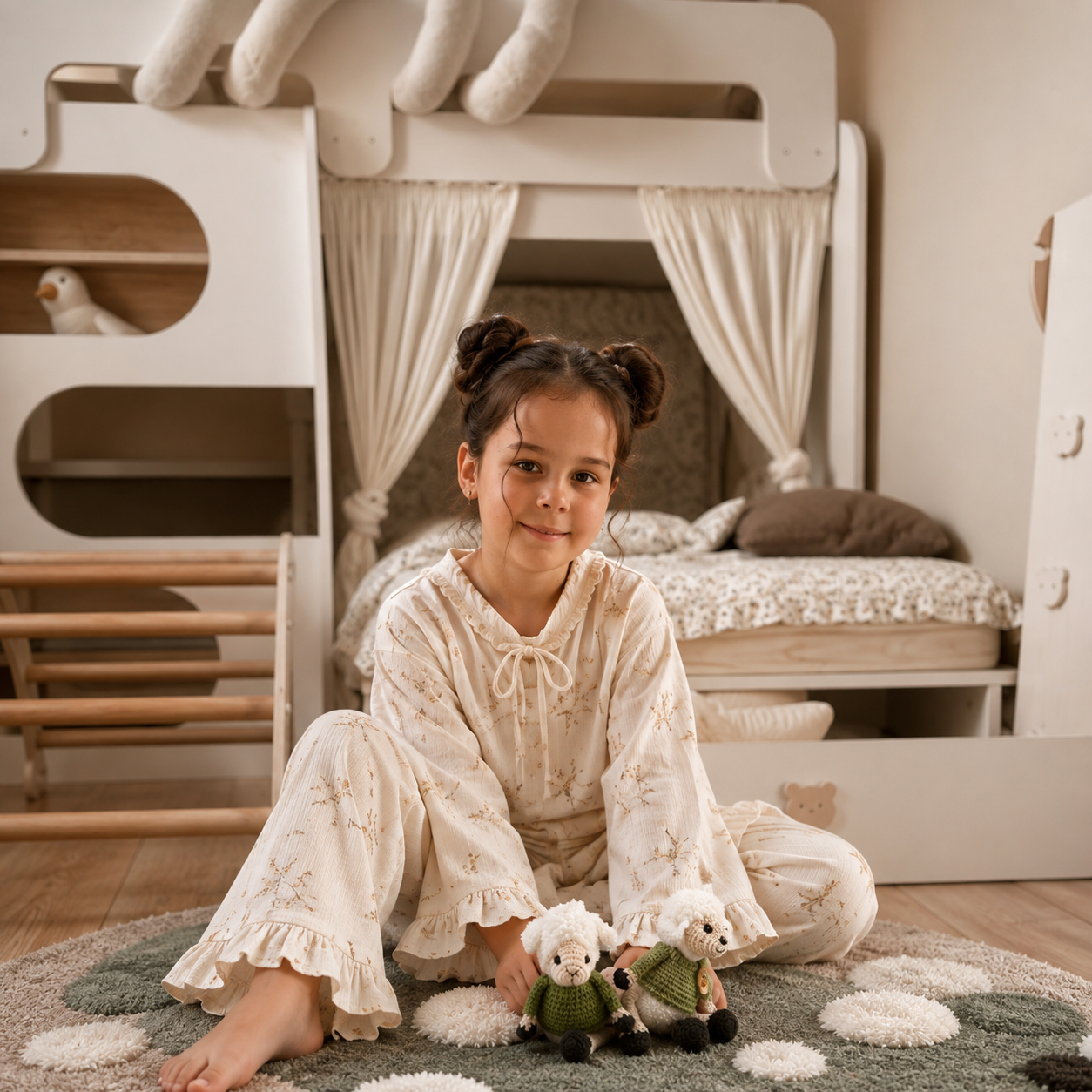
Before selecting furniture, it is important to verify the exact room dimensions, ceiling height, and the placement of electrical outlets, radiators, windows, and doors. For bunk-style units, ceiling height and safety requirements must also be taken into account. 4. Convertible furniture and multifunctional solutions When a single room must serve multiple purposes, furniture that maximizes space efficiency becomes particularly valuable. Examples include beds with an extra sleeping spot, units featuring shelves and niches, tables with integrated storage, or modular systems that can be expanded to suit a family's changing needs. It is important to distinguish between convertible furniture and multifunctional furniture. The former changes its position or configuration, while the latter combines several functions within a single unit. MAYSON by SOFI Dreamland — more possibilities in one design The MAYSON collection is designed for those who want to combine sleeping, storage, and play areas into one well-thought-out solution. The design features an upper sleeping area, a lower zone, storage niches and shelves, and a ladder. Textile elements help create a cozy nook that a child can view as their own personal space for play and relaxation. This solution allows for the creation of multiple functional zones without cluttering the room with numerous separate pieces of furniture. Specific configurations, sleeping area dimensions, and the use of individual components should be selected based on the room's layout and the children's ages. [Photo 3: MAYSON collection in an actual interior] Tip: Before purchasing multifunctional furniture, check not only its external dimensions but also how it will be used on a daily basis. Consider access to sleeping areas, drawer operation, walkways, and safety requirements. 5. Colors and materials: creating a harmonious interior The color scheme influences the overall perception of the room. Shades such as creamy white, beige, olive, sand, and pastels are often chosen for children's spaces. They create a calm foundation that is easy to complement with textiles, decor, and bright accents. To ensure the interior looks cohesive, you can follow a simple principle: a primary color for walls and large surfaces; a secondary color for furniture or specific elements; an accent color for textiles, lighting, toys, and decor. You don’t have to decorate the entire room in a single color or choose furniture based on gender stereotypes. It is more important to consider the child's personality, the lighting, and the overall atmosphere you wish to create. Special attention should be paid to materials, finishes, edge quality, hardware, and surface maintenance. For children's furniture, aesthetics are important, but so are durability and compliance with safety standards. [Photo 4: a combination of colors, textiles, and materials in the SOFI children's space] 6. How to create a room that evolves with the child A child's needs change faster than parents might wish. What was important at age three may lose its relevance by age seven, while privacy, studying, and personal style take center stage during the teenage years. Therefore, when planning the room, it is worth considering not only current needs but also the future. Helpful tips: choose staple furniture pieces that won't go out of style in a few years; plan for the future addition of shelves, storage systems, or a study area; use interchangeable textiles and decor to refresh the atmosphere; leave space for the child's new hobbies; avoid buying extra furniture "for the future" if it currently takes up valuable space. A well-designed children's interior shouldn't be a static set piece. It should allow room for growth, new interests, and the gradual shaping of a personal space.

7. Ready-made solution or custom children’s room design? The choice depends on the available space, budget, layout complexity, and the family’s expectations. Ready-made furniture collections make it easier to quickly select matching elements. Custom design is the right choice when you need to accommodate non-standard dimensions, specific room features, or the family's unique needs. At SOFI Dreamland, we take a comprehensive approach to children's spaces: from the initial concept and ergonomics to the selection of furniture, colors, and details that create a cohesive interior. Our philosophy is that furniture shouldn't just look good in isolation; it should work together to create an environment where the child feels comfortable sleeping, playing, studying, relaxing, and developing independence. If you haven't decided on a layout yet, start by considering the room's dimensions, the child's age, and their daily needs. This will help you determine whether a ready-made collection is suitable or if a custom solution would be better. [Photo 5: A completed SOFI Dreamland children’s room interior] 8. SOFI Dreamland — a children’s space thoughtfully designed down to the last detail We create original children’s furniture that blends design, functionality, and a deep understanding of a family’s daily life. To us, a child’s room is more than just a collection of items. It is a space where a child can rest, invent their own stories, play, discover new things, and gradually grow more independent. That is why, when creating our furniture, we focus not only on aesthetics but also on construction, ergonomics, storage solutions, and how the various elements work together. Are you planning a child's room? Explore the SOFI Dreamland collections, view our completed interiors, or contact us for a consultation. Together, we can find a solution that suits the room's size, your child's needs, and your vision of a cozy home. SOFI Dreamland — original children's furniture and spaces for childhood.